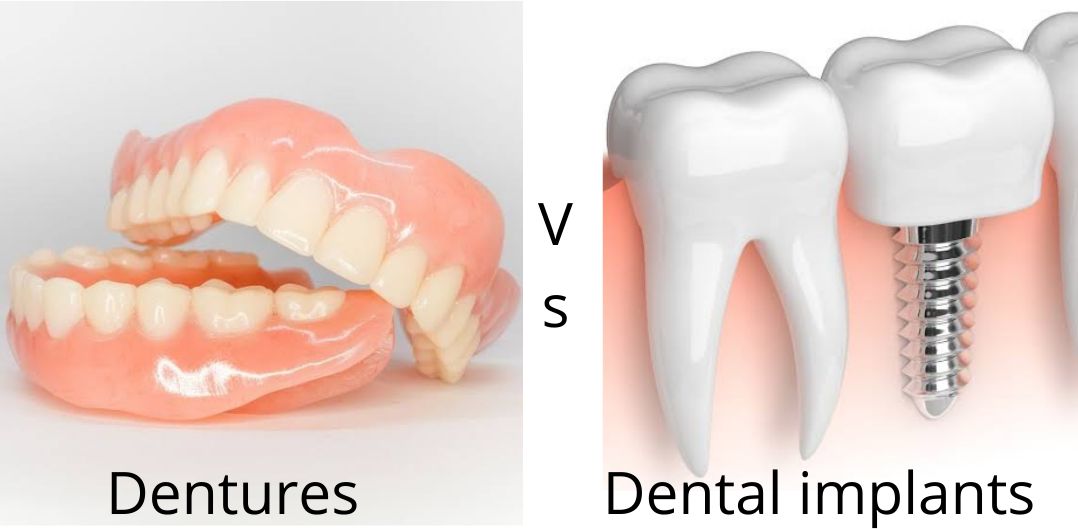
Tooth loss can significantly impact a person’s confidence, oral function, and quality of life—but modern dentistry offers more permanent, natural-looking solutions than ever before. Two of the most advanced tooth replacement options today are dental implants and implant-supported overdentures. Despite sharing core technology, they differ in structure, function, and suitability. This expert-level article expands on clinical insights, patient selection criteria, aftercare, and innovation trends.
Understanding the Basics
Dental Implants are small titanium or ceramic fixtures placed in the jawbone to replace missing tooth roots. Once integrated with bone, they anchor a prosthetic crown, bridge, or denture. Implants function nearly like natural teeth—permanent, strong, and aesthetically pleasing.
Overdentures, on the other hand, are removable full or partial dentures attached to a set of implants using a snap-on system. They offer superior stability compared to traditional dentures while allowing for easy removal and cleaning.
1. How Do Dental Implants Work?
A dental implant is composed of three layers:
-
Implant Fixture: Serves as the artificial root, surgically placed into the jawbone.
-
Abutment: Connects the implant to the crown or prosthetic tooth.
-
Dental Crown: The visible portion made of porcelain or zirconia that matches the rest of your natural teeth.
Following the procedure, a process called osseointegration occurs—where bone cells grow around the implant, fusing it firmly in place. This makes implants the most stable and long-lasting form of tooth replacement, often lasting a lifetime with proper care.
2. How Do Overdentures Work?
An overdenture combines the security of dental implants with the convenience of a removable prosthetic. Instead of adhesive strips, it snaps onto specially designed dental implants for daily use. Common setups include:
-
Two implants for lower arches
-
Four to six implants for upper arches
Implant-retained overdentures have proven highly effective in preventing bone resorption, improving chewing performance, and increasing comfort compared to conventional dentures. Patients can eat, speak, and smile confidently without fear of slippage.
Key Differences Between Implants and Overdentures
| Feature | Dental Implants | Overdentures |
|---|---|---|
| Nature | Permanent, fixed | Removable, implant-supported |
| Use Case | Replaces individual or few missing teeth | Replaces full upper or lower arch |
| Bone Preservation | Excellent | Good |
| Maintenance | Brush and floss like natural teeth | Remove and clean daily |
| Cost (average) | Higher upfront cost | Moderate investment |
| Longevity | 20–30 years (often lifetime) | 10–15 years, replacement possible |
| Comfort & Stability | Feels like natural teeth | Very stable, though not fixed |
| Procedure Time | Longer healing period | Slightly faster if bone permits |
3. Candidate Suitability
Ideal Candidates for Implants
-
Individuals missing one to several teeth
-
Patients with strong jawbone density
-
Non-smokers or those willing to quit during healing
-
People seeking permanent, natural results
Ideal Candidates for Overdentures
-
Patients missing an entire upper or lower row of teeth
-
Long-term denture wearers with decreased comfort
-
Those seeking a secure yet removable alternative
-
Patients with moderate bone levels (may require bone grafting)
Your dentist will use diagnostic imaging (CBCT, X-rays) to evaluate bone volume, gum condition, and bite alignment before recommending the optimal treatment route.
4. Clinical & Aesthetic Benefits
Benefits of Dental Implants
-
Mimic natural teeth in strength and appearance
-
Prevent jawbone loss through active bone stimulation
-
Improve chewing, pronunciation, and facial symmetry
-
Low maintenance with daily hygiene and regular check-ups
Benefits of Overdentures
-
Greater comfort than traditional dentures
-
Restores facial fullness and confidence
-
Easier cleaning than fixed bridges
-
Can be updated or repaired without surgery
-
More affordable than full-arch implants
5. Treatment Process: What to Expect
Step 1: Consultation & 3D Imaging
Your dentist evaluates oral health and bone density to determine implant placement. Digital scans are used for surgical precision.
Step 2: Implant Surgery
Under local anesthesia or mild sedation, small implant posts are placed into the jaw. Healing takes 3–6 months as osseointegration occurs.
Step 3: Restoration Placement
Once fused, your implant is topped with either an individual crown or connected to a denture base for overdenture users.
Step 4: Follow-Up & Maintenance
Routine hygiene and dental reviews prevent infections or biomechanical complications, keeping your restoration healthy for years.
6. Maintenance & Everyday Care
Proper oral hygiene ensures the long-term success of your restoration:
-
For Implants: Brush twice daily, floss around implants, and schedule biannual cleanings.
-
For Overdentures: Remove nightly and soak in mild denture cleanser; brush attachment sites gently.
Avoid abrasive toothpaste or harsh chemicals that might compromise prosthetic materials.
Warning Signs Requiring Dental Review
-
Swollen or bleeding gums
-
Persistent bad breath around the implant
-
Clicking or shifting of denture attachments
-
Redness or discomfort beneath overdentures
7. Common Patient Questions
How long do implants last?
Implants can last a lifetime with consistent oral hygiene. Most crowns require replacement every 15–20 years.
Are overdentures painful?
No, implant-supported overdentures fit snugly and eliminate pressure points common in traditional plates.
Can smokers receive implants?
While possible, smoking impairs healing and increases implant failure rates by up to 30%. Quitting is strongly advised.
Is bone grafting always necessary?
Only if bone loss is advanced. Modern grafting or synthetic bone fillers restore the density needed for implant placement.
8. Cost Considerations and Investment Value
| Treatment | Average Cost (USD) | Longevity | Value Perspective |
|---|---|---|---|
| Single Tooth Implant | $3,000–$5,000 | Lifetime | Premium durability |
| Full Arch Overdentures | $10,000–$20,000 | ~15 years | Cost-effective smile restoration |
| Complete Fixed Implants | $25,000–$35,000+ | Lifetime | Permanent aesthetic investment |
While implants carry a higher initial price tag, they offer superior long-term value compared to constantly replacing traditional dentures.
9. Innovations and Future Trends in Implant Dentistry (2025 & Beyond)
Recent research in biomaterials and digital dentistry is revolutionizing implantology:
-
Zirconia Implants: Metal-free, biocompatible options for aesthetic zones.
-
Guided Surgery: AI-driven precision mapping minimizes risk and optimizes healing.
-
Nanotechnology: Coatings improve osseointegration and reduce inflammation.
-
3D-Printed Prosthetics: Custom-fit crowns and dentures designed using CAD/CAM workflows.
Patients benefit from faster procedures, lowered infection risk, and natural aesthetic performance through personalized digital dentistry.
Final Thoughts: Making the Right Choice for Your Smile
Both dental implants and implant-supported overdentures offer transformative solutions for tooth loss, but the right choice depends on your oral condition, budget, and lifestyle.
-
Choose implants if you want permanent, fixed, natural-like results.
-
Choose overdentures if you prefer affordability, removability, and improved comfort over traditional dentures.
Consult an experienced prosthodontist or implant specialist to assess jaw health, bone volume, and long-term goals before deciding. The end goal is always the same—restoring confidence, full oral function, and a natural smile that lasts a lifetime.